
My 40+ Year Journey in Women’s Health: From 1984 to 2026
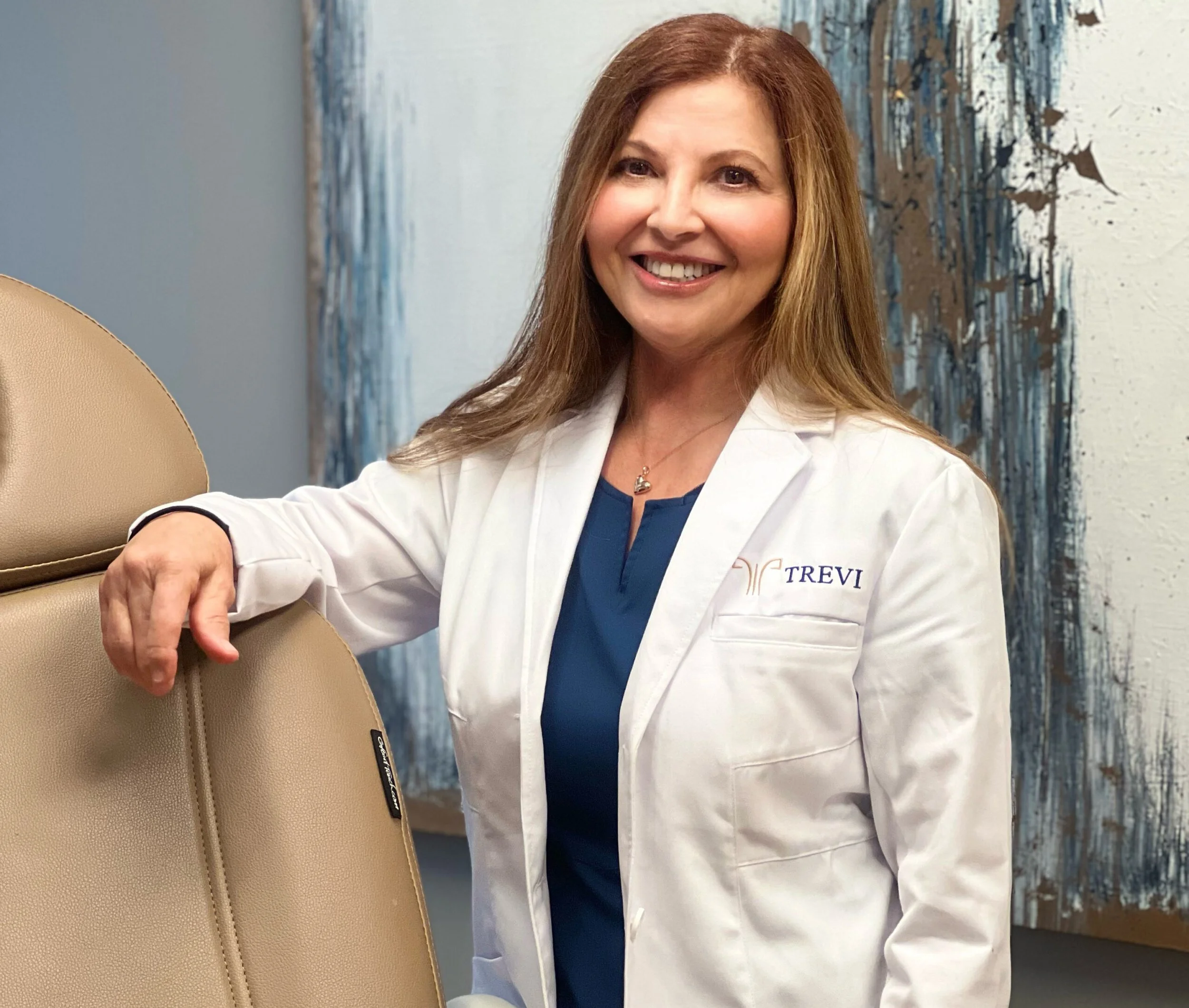
March gives us an opportunity to reflect on the remarkable women who paved the way — not just in politics or science, but in healthcare itself. For me, it’s also a moment to look back on how medicine has evolved for women since I began my career in 1984.
When I graduated from medical school, family medicine was comprehensive care. I cared for women — and by extension, their families — through every stage of life: childhood, adolescence, pregnancies, menopause, and beyond. We didn’t have the internet, but we had time with our patients. We relied on conversation, observation, and connection.
Back then, we had adolescent clinics, thriving pregnancy and postpartum care, and dedicated menopause clinics to support women through that transition. Fertility challenges felt less common, our food supply was less processed, and chronic disease and obesity were not as pervasive as they are today.
Then the world shifted. The internet exploded. The Women’s Health Initiative changed the trajectory of hormone therapy for decades. Obesity and metabolic disease rose sharply. Women began arriving in the office with vague but very real symptoms — exhaustion, poor sleep, brain fog, low libido — too often brushed off as “just stress” rather than signals that something deeper was happening
I’ll also admit something: in the busyness of clinical life, I blinked and February — Women’s Heart Health Month — was gone. But women’s heart health isn’t a one-month topic; it needs our attention all year long.
We now know that the menopause transition is a time when a woman’s cardiovascular risk rises significantly, in large part because estrogen levels drop. Estrogen has important protective effects on blood vessels, cholesterol, and inflammation, which is why heart disease in women tends to increase after menopause. For many healthy women, starting estrogen-containing hormone therapy around the time of menopause can be a powerful tool to preserve quality of life and support long-term cardiovascular health when used thoughtfully and with proper screening.
At the same time, large-scale analyses from groups like the McKinsey Health Institute and World Economic Forum have confirmed what many of us see in the office: women still spend about 25% more of their lives in poor health than men, despite seeking care more often. Much of this gap comes from conditions that are under-recognized, under-treated, or that manifest differently in women — including cardiovascular and hormonal issues.
So, when a woman says, “I’m exhausted,” “my thinking isn’t as sharp,” “I have no libido,” or “I’m short of breath walking upstairs,” those aren’t complaints to dismiss — they’re data. Sometimes the answer is a cardiac workup. Sometimes it’s hormone optimization. Often, it’s both a deeper evaluation and a plan that respects how interconnected her systems really are.
Today, my mission is to bring the conversation full circle: to restore the kind of care that sees the whole woman — heart, hormones, brain, metabolism, and emotional load — at every stage of life.
If you’re in a transition — perimenopause, menopause, post-partum, or simply a season where you feel unheard — this is your invitation to be taken seriously.
One thing that hasn’t changed — from 1984 to 2026 — is my commitment to women and their families to help them receive the thoughtful, evidence-based, compassionate care they truly deserve.
